Insanely Digital
Dedicated to the restoration of vintage Apple computer technology.
Writing
-
The Toolbox Comes Home
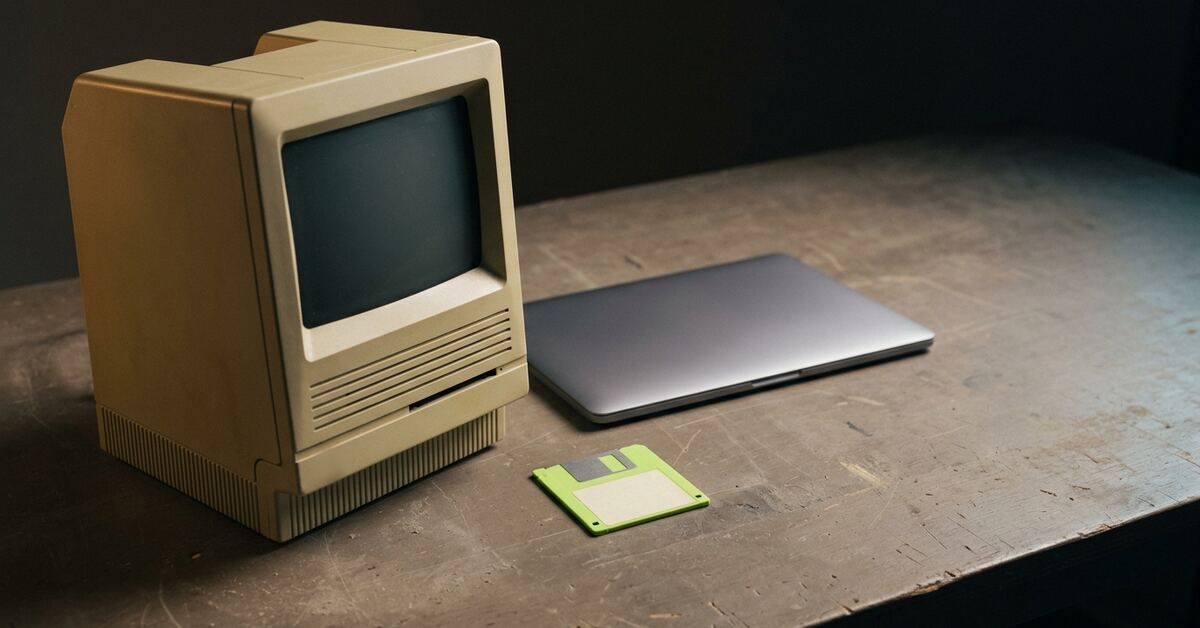
Every classic Mac application leaned on the Toolbox, and since 2007 no shipping Mac has carried it. We have been rebuilding its knowledge as shared kits. It doesn't run classic software. Could it, one small door at a time?
-
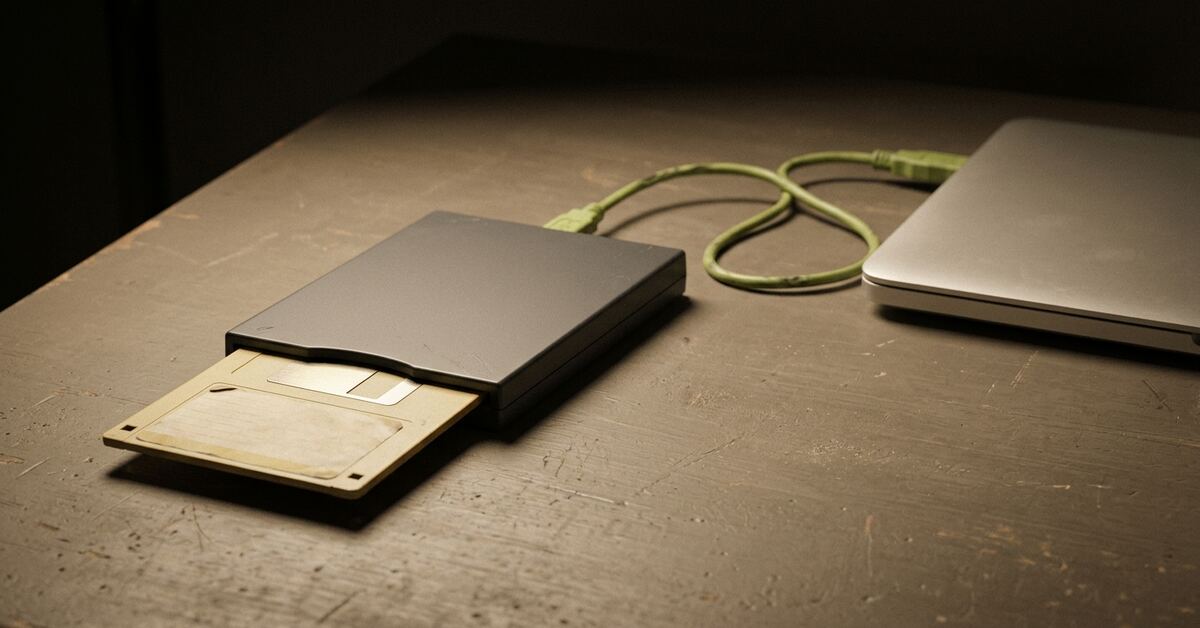
A 1991 Floppy, Mounted in macOS 27
A plain 1.44 MB floppy from 1991 went into a USB drive on a Mac running macOS 27, and a few seconds later it was on the desktop with its System 7 icons. The Mac stopped reading HFS in 2019; here's how we taught it again.
-
The Yardstick
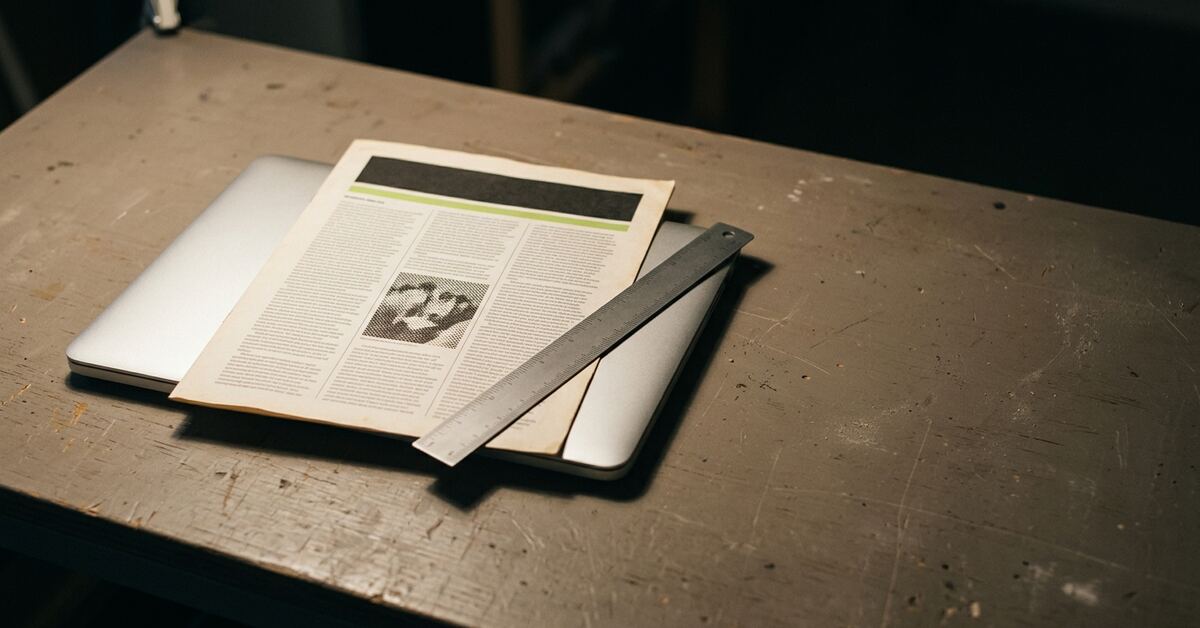
In 1985 the Mac, the LaserWriter and PageMaker turned one desk into a publishing studio. Desktop publishing asks more of software than anything else, so every kit we build is now designed against it.
-
Old Over New
A brand-new Mac cannot read a disk made by an old one. Rather than slide something new underneath an old machine, we are teaching the modern Mac everything the old one knew, one shared kit at a time.
-
Two Emulators, One Wire
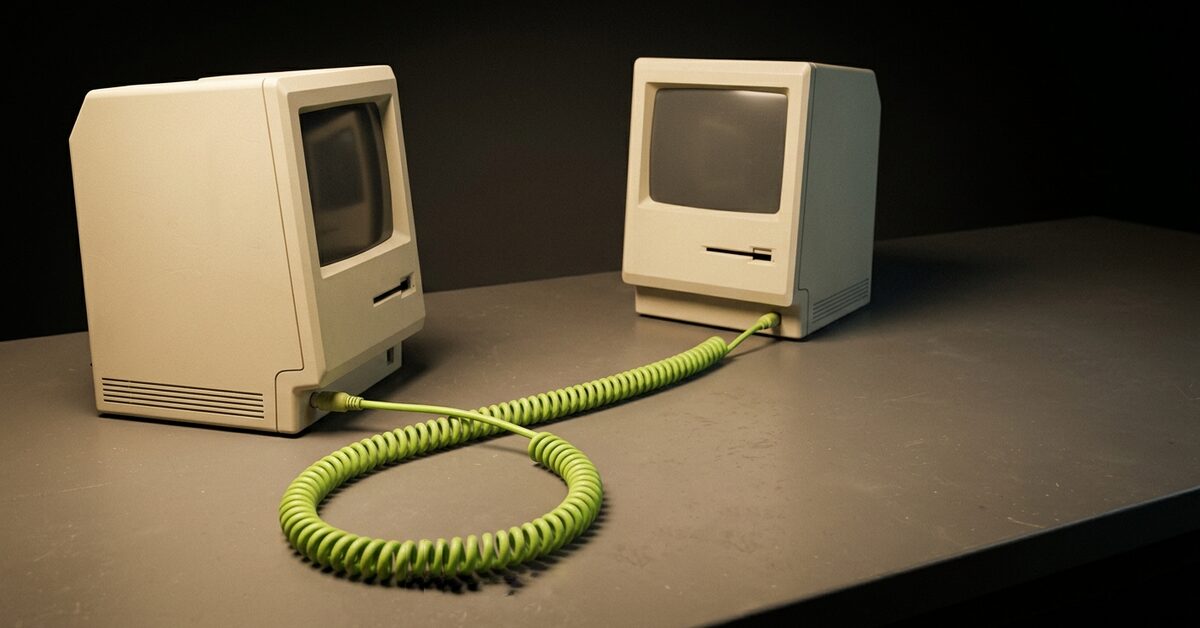
Writing software for a thirty-year-old protocol has one problem that nothing else quite prepares you for: you need someone to talk to. So we put a Macintosh SE/30 and an Apple IIgs on the same virtual LocalTalk bus, and made them prove it.
-
Nobody Wrote It Down
StuffIt — the archive format that essentially every Macintosh file passed through between 1988 and 2005 — has no specification. There are millions of .sit files in the world, and no document that says what one is.
-
The Files You Cannot Type
There is a file on your old Macintosh disks that you have almost certainly never seen, cannot create, cannot rename, and have probably destroyed. It is called Icon, and it ends with a carriage return.
-
Dual Voltage Early Macintosh Power Supply
The dual voltage power supplies in Mac 128, Mac 512 and Mac Plus work by using two capacitors in series. They function as 220-240V units but can switch to 120V with a wire link or external switch.